
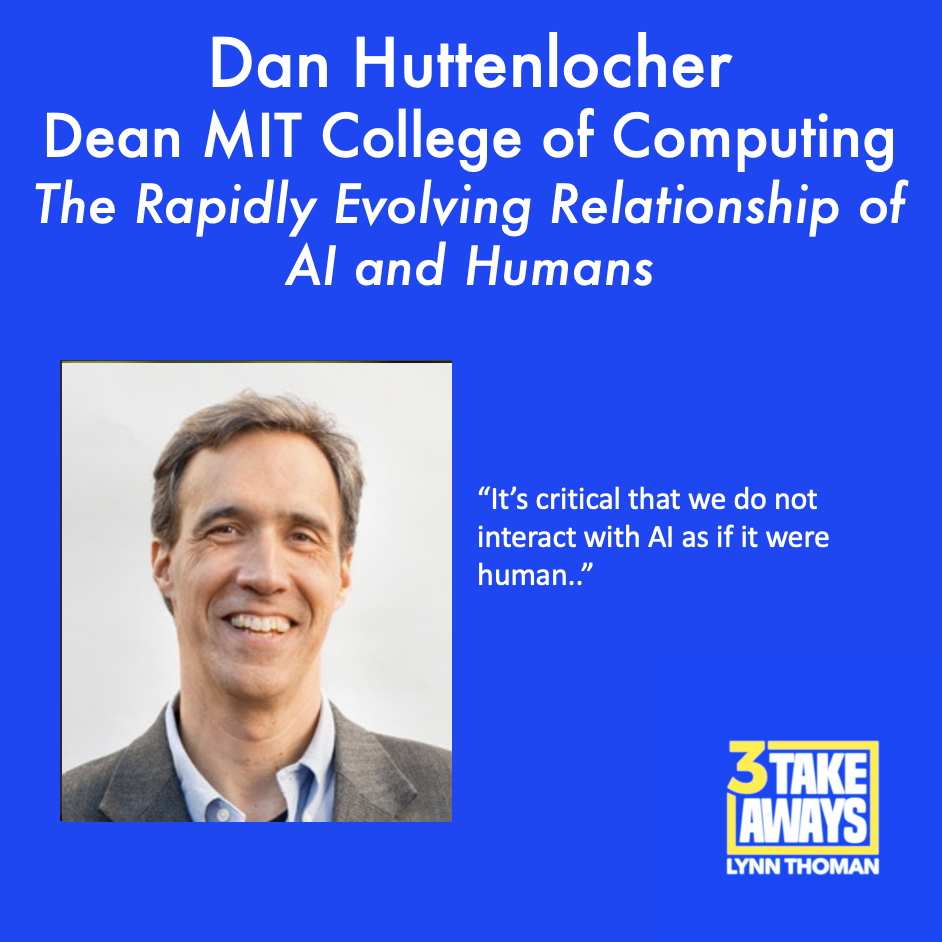
A Noted MIT Dean on the Age of AI and the Rapidly Evolving Relationship Between AI and Humans
AI is transforming society. We can still determine how. Dan Huttenlocher, MIT dean and co-author with Henry Kissinger and Eric Schmidt of The Age of AI, discusses how and why we need to partner with this foundational technology. He also shares some surprising examples how AI is being integrated into the basic fabric of human activity.
“It’s critical that we do not interact with AI as if it were human.”
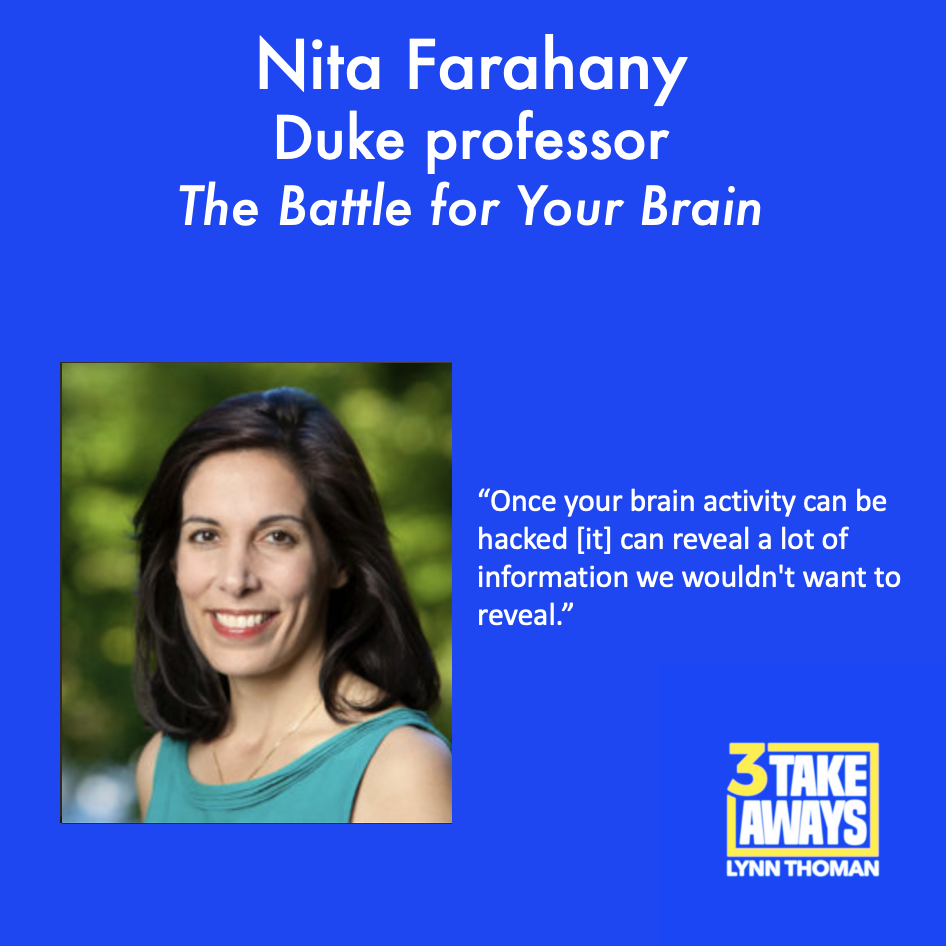
The Battle for Your Brain: The Emerging World of Neurotechnology, Brain Hacking and Thought Control
Brain sensors embedded in watches. Earbuds that decode our brainwaves. Neurotechnology that reads our emotions and thoughts, and can be used to manipulate them. It sounds like science fiction, but it’s science fact. Don’t miss this chilling and cautionary talk with Duke professor Nita Farahany, author of The Battle for Your Brain.
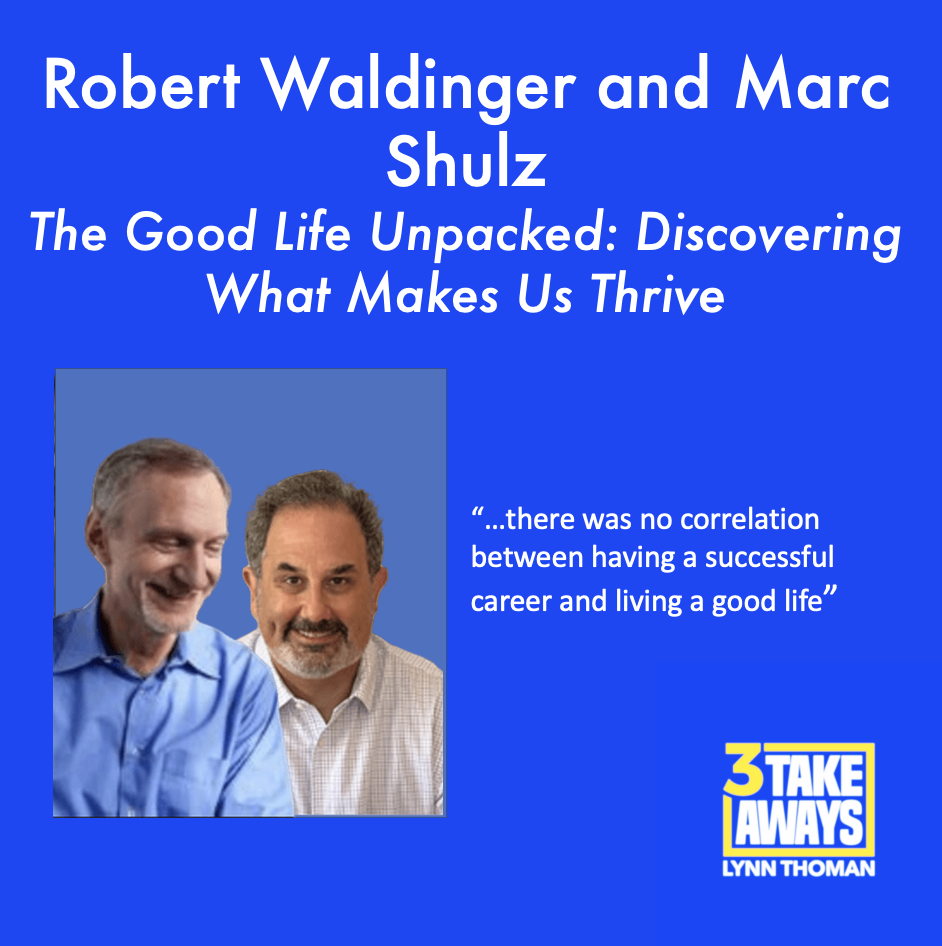
The Good Life Unpacked: Discovering What Makes Us Thrive with the Heads of Harvard's 80-Year Study
Unlock the secrets to a fulfilling life with Robert Waldinger and Marc Shulz, the heads of Harvard’s 80-Year Study of Adult Development, the longest, most in-depth, longitudinal study of human life and thriving ever done. Discover what a good life is, and how we can all have a better one. Even small choices, it turns out, can shape our lives and help us thrive. Learn the simple ingredients that make a good life, the U-shaped curve of happiness and how it's never too late to start. Get ready to be inspired and leave with three actionable takeaways!
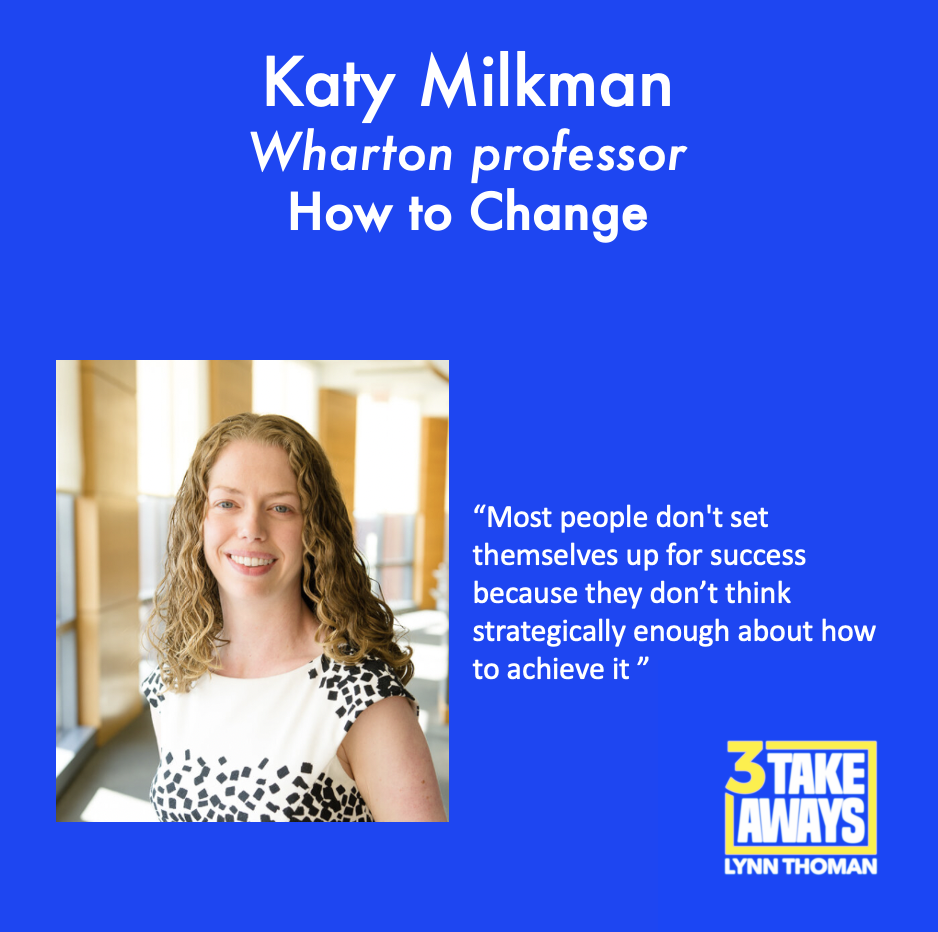
How to Change: An Expert on the Science of Personal Change Reveals Proven, Powerful Strategies
Deep personal change that enables you to achieve your goals is absolutely possible. The key: Identify what’s standing in your way, then employ strategies to overcome it. Here, Katy Milkman, Wharton professor and author of the bestseller How to Change, shares many of these powerful strategies. Here’s one: Make hard things fun.
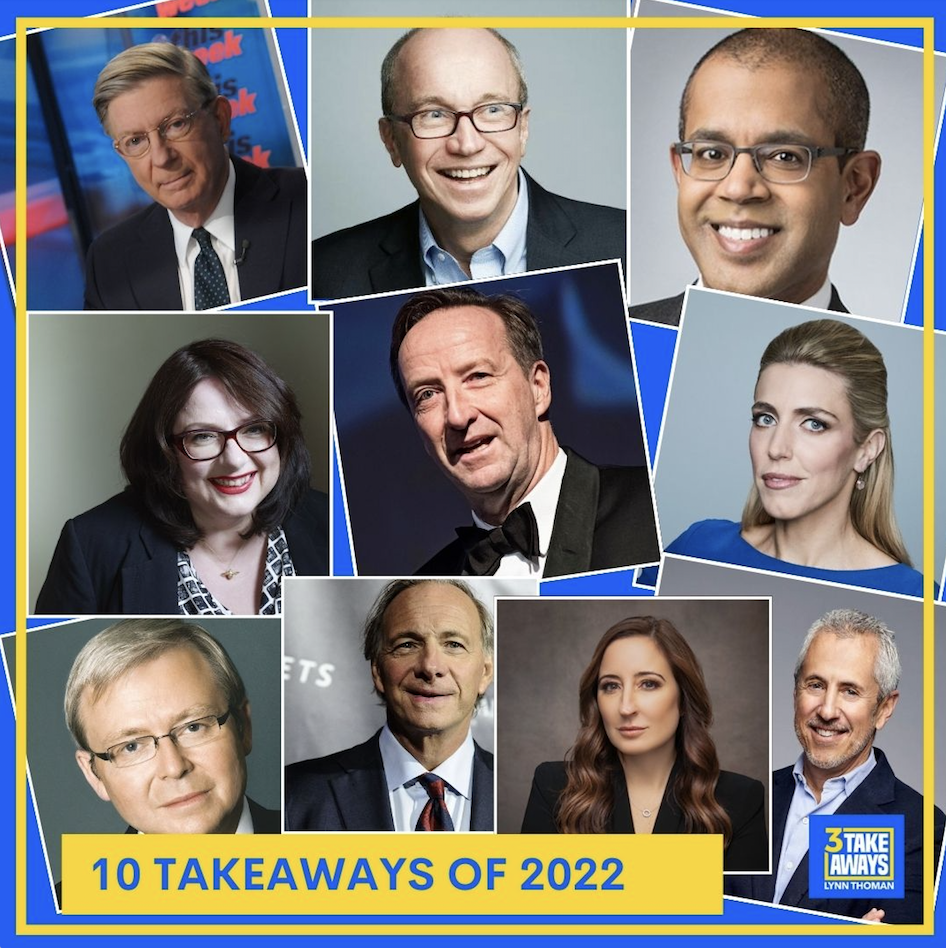
Which are the 10 Most Powerful and Compelling Takeaways of 2022? Listen and Find Out.
3 Takeaways features revealing conversations with the world’s foremost thinkers, business leaders, writers, politicians, scientists and other newsmakers, who each share three takeaways they consider vital. In this special year-end episode, we present the 10 most powerful and compelling takeaways of 2022.
Can you guess which takeaway is from each guest? The guests include:
Former Prime Minster of Australia
Former Chief of MI6
Founder of the world's largest hedge fund
7 other amazing guests

Superabundance: Separating Fact From Myth About Human Flourishing on an Infinitely Bountiful Planet
Contrary to conventional wisdom, we are not living in an age of dwindling resources. Generations of people have been taught that the world's rapidly growing population is consuming the planet's natural resources at an alarming rate. But after analyzing the prices of hundreds of commodities and products over the last 100 years, Marian Tupy and Gale Pooley found that resources became more abundant as the population grew.
To their surprise, they found that we create ever more value out of natural resources, and that now is a time of superabundance and human flourishing. Don’t miss this compelling rationale for optimism.

A Mind-Blowing Look at How Our Brains Create Our Reality. With Renowned Neuroscientist Lisa Feldman Barrett
Our brains run the show and determine how we relate to the world. Discoveries from the front lines of neuroscience show our brains are creators (as opposed to spectators) of reality and also creator of our emotions. Don’t miss this enlightening talk with Lisa Feldman Barrett, one of the world’s most cited scientists for her groundbreaking research in psychology and neuroscience.
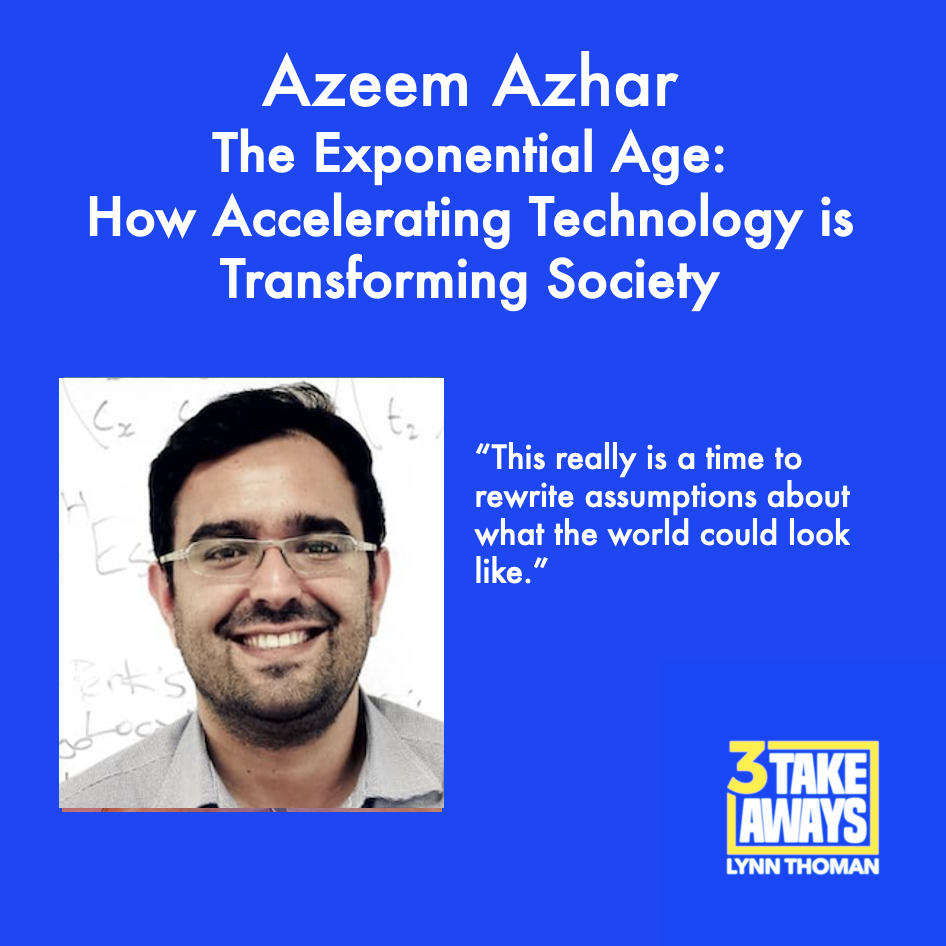
The Exponential Age: How Accelerating Technology is Transforming Business, Politics and Society with Tech Seer Azeem Azhar
Technology is advancing at exponential speed, and humanity is having serious trouble keeping up. Azeem Azhar, a tech seer who has founded and sold four companies, shares his unique insights into what he calls the “exponential gap” and its impact on business and society.

Explore Grand Mysteries of Space, Time, Life, and the Cosmos – with World-Renowned Physicist Brian Greene
He’s been called “a successor to Einstein.” Here you’ll see why, as physicist Brian Greene offers profound insights into our place in the universe, how the world ends, the possibility of a parallel universe, and the cosmic pursuits of Jeff Bezos and Elon Musk. Don’t miss this brilliant and deeply stimulating conversation.
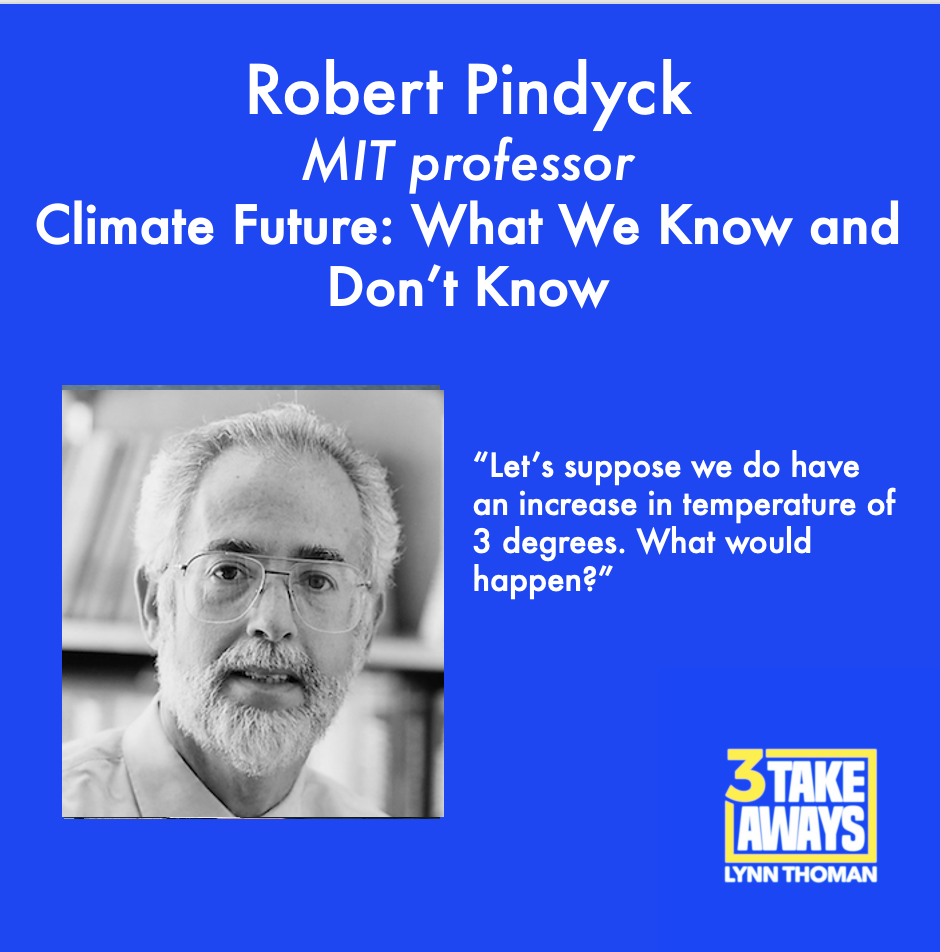
Climate Future: What We Know and Don’t Know with MIT’s Robert Pindyck
Current debates over climate change are focused almost entirely on reducing emissions - which is something we should do - but we also need to answer the question, how should we be adapting?
MIT’s Robert Pindyck shares what we know and don’t know and how we can adapt given the enormous climate uncertainty.

When Willpower Isn’t Enough: Psychologist Wendy Wood Reveals Keys to Success
The research is in, and it shows that a large part of being successful is understanding how to form the right habits. In fact, forming habits can be more important than willpower and self-control.
Wendy Wood, noted USC Psychology Professor, shares some of her research findings and simple strategies that enable many people to live successful, satisfying lives. She is the author of Good Habits, Bad Habits: The Science of Making Positive Changes That Stick.
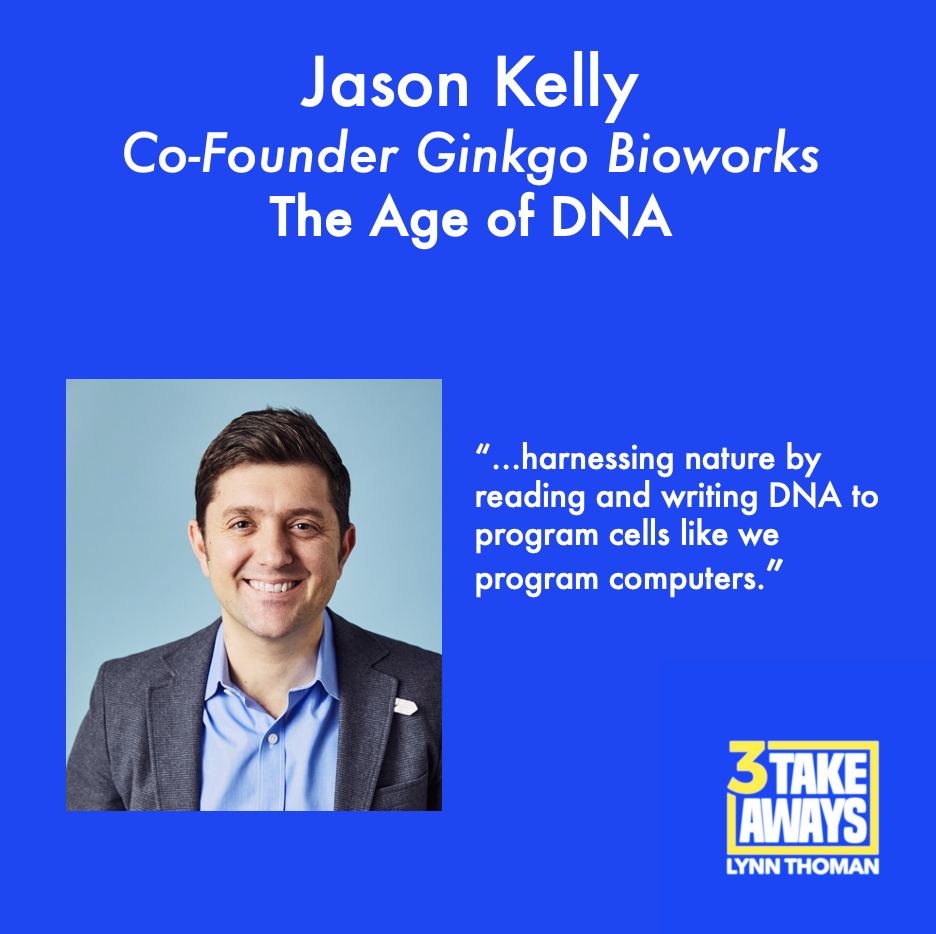
The Age of DNA: Ginkgo Bioworks Co-Founder Jason Kelly
Steve Jobs once said that the biggest innovations in the 21st century would be at the intersection of biology and technology. Nature offers tantalizing examples of the magical properties of biology—self-assembly, self-repair, self-replication and more.
Jason Kelly, co-founder and CEO of Ginkgo Bioworks, shares his dream of harnessing nature by reading and writing DNA to program cells like we program computers.
Ginkgo is a synthetic biology company that programs cells for customers in the pharmaceutical, food, agriculture and energy industries.

Why We Laugh: The Many Shapes and Forms of Laughter with Neuroscientist Sophie Scott
Laughter, it turns out, is not primarily a response to humor. Neuroscientist Sophie Scott CBE shares why we laugh, how it works and the many sins it covers.
We explore how laughter bonds us, where it breaks us, and the ways we use it. We should all bring a greater sense of understanding and intention to our laughter. Sophie Scott is a neuroscientist and professor at UCL whose research focuses on the science of laughter.

How We Can Defeat The Next Pandemic and The Future of Medicine: Dr. Eric Topol
Dr. Eric Topol explains how we can prepare for the next pandemic, including having stockpiles of variant proof vaccines for the families that are most likely to cause pandemics besides coronavirus and influenza. He also shares recent breakthroughs in medicine which will improve accuracy and diagnosis.
Dr. Topol is the founder of Scripps Research.

The Secret Life of Words - What Our Words Say About Us and What We Can Learn From Other’s Words: Jamie Pennebaker
Ever wondered if we could predict people’s actions through their words? Renowned social psychologist and linguist Dr Jamie Pennebaker shares how words can give away our secrets, feelings and inner state of mind from Putin’s language which predicted his invasion of Ukraine to poets whose use of the word “I” can predict a higher risk of suicide.
Dr. Pennebaker’s groundbreaking research in computational linguistics analyzing and counting the frequency of words, shows that our most forgettable words, such as pronouns I, me and my, can be the most revealing.
He explains what the words Vladimir Putin, Xi Jinping, and Joe Biden use (and even the ones they don’t use) reveal about their inner feelings and the “tell” that predicted Vladimir Putin’s invasion of Ukraine.
He also talks about how American Presidents have become more likeable and less analytical, the differences in men’s and women's words, and how writing about traumatic experiences can help people heal and improve their physical health.

The Future of Artificial Intelligence: Head of Columbia University’s Creative Machines Lab Hod Lipson
We are at an inflection point in artificial intelligence today. Find out what the next 3 waves of artificial intelligence will bring — including creativity and consciousness. Learn why AI is accelerating and what we can do to ensure tech is used for good.
Hod Lipson is the head of Columbia University’s Creative Machines Lab, which pioneers new ways to make machines that create, and machines that are creative. His work focuses on evolutionary robotics, design automation, rapid prototyping, artificial life, and creativity.
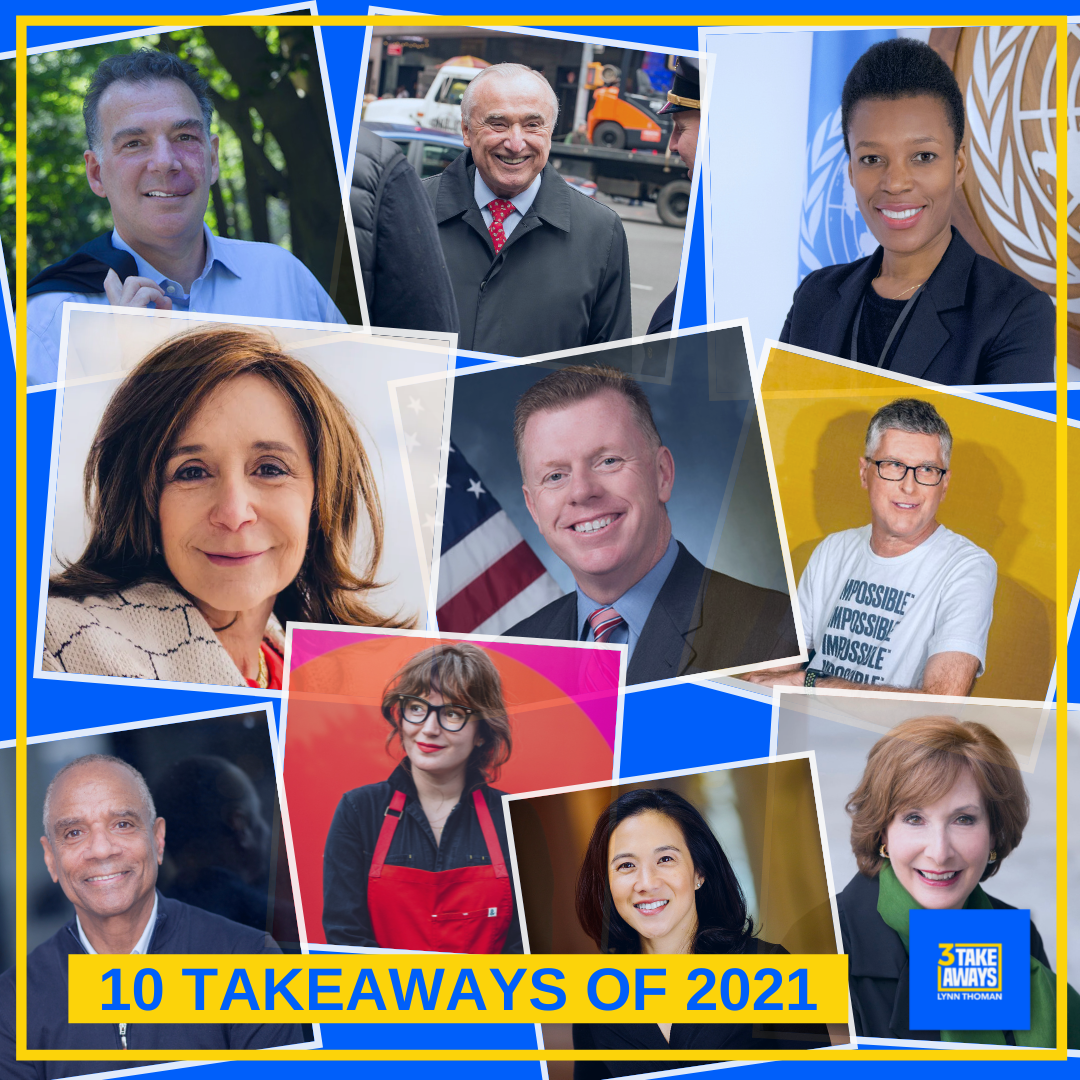
Always Be Learning: The Top 10 Takeaways of 2021 From Our Guests
This week on the podcast we are highlighting the Top 10 Takeaways of 2021. With guests ranging from CEOs and founders, to best-selling authors and even the Director of the U.S. Secret Service. These individuals left us feeling motivated and inspired!
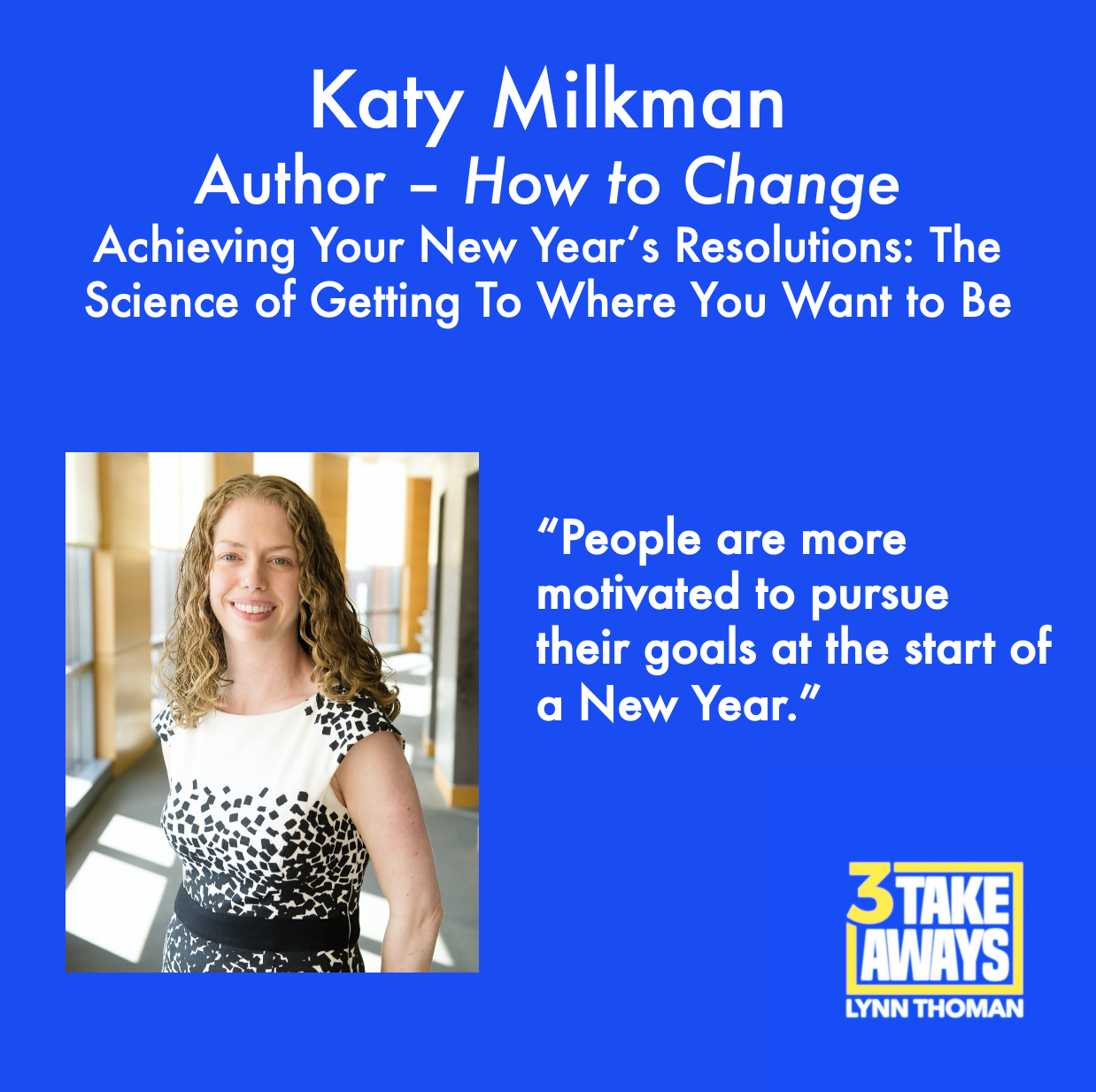
Achieving Your New Year’s Resolutions: The Science of Getting To Where You Want to Be with Katy Milkman (Repost)
Wall Street Journal best-selling author Katy Milkman shares science-based ways to create change in our lives. Learn how to understand your impulses and make them work for you, rather than against you.
Katy is an advisor on how to spur positive change and has advised organizations from Google to the Red Cross. She is a professor at the Wharton School at the University of Pennsylvania and the best-selling author of How to Change: The Science of Getting From Where You Are to Where You Want to Be.

Harvard Professor, Robert Waldinger: What the Good Life Actually Looks Like Based on Harvard’s 75 Year Study
Find out what the good life actually looks like based on Harvard's 75-year study of more than 700 men from when they were teenagers through old age, with the director of the study, Robert Waldinger. Learn the single most important thing that keeps us healthy and happy as we go through life and what predicts who will stay healthy and live longer.
To learn more about Robert Waldinger and the Harvard Study of Adult Development, visit https://robertwaldinger.com.
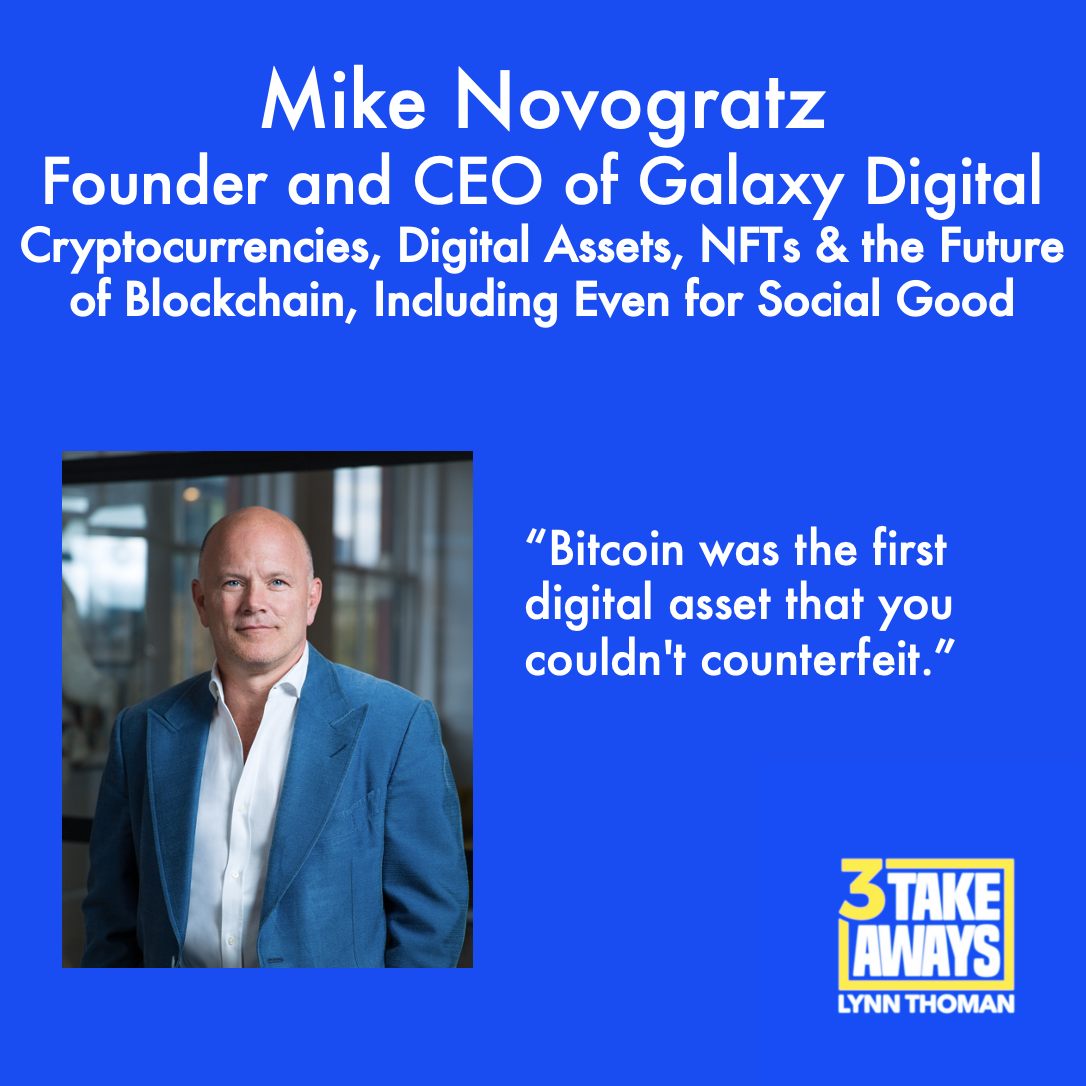
Cryptocurrencies, Digital Assets, NFTs and the Future of Blockchain, Including Even for Social Good with Galaxy Digital Founder and CEO Mike Novogratz
Mike Novogratz, Founder and CEO of Galaxy Digital, shares on cryptocurrencies including Bitcoin, digital assets, and the possibilities of blockchain. Learn how the first Tweet, a single sentence by Twitter co-founder Jack Dorsey, sold as an NFT for millions of dollars and why it was worth so much. He also shares how blockchain can even be used for social good. In prisons, for example, it could be used to record solitary confinements and make criminal justice more transparent.
Mike Novogratz has made criminal justice reform a focus of his family’s foundation.
This discussion should not be relied on for investment advice.